













Take a deep dive into your favorite market research topics
Need Answers to Your Most Important Business Questions?
Just Say Go.


Powerful Technology,
Meaningful Connections.
At Sago, we don’t sell products, we provide tech-enabled research solutions for your most important projects. With a full suite of research capabilities, we utilize technology to make the process of answering your business questions easier, from insight collection to application.


Rae Ann Miller(Data Analyst)
Our reporting requires direct, timely engagement with the local community, and Sago makes it happen. The whole process is very collaborative and supportive, and we couldn’t be happier with the results.

Anya Shapina
"Methodify, Sago's automated quantitative research engine, is the ideal research partner for our AAA game development. Their science-based methodologies, user-friendly interface, and excellent customer service have made research a breeze. The high-quality sample and insightful qualitative feedback from our target audience, core gamers, demonstrate Methodify's effectiveness. The powerful reporting features make me look like a pro to the exec team. Methofify surpasses traditional options like Survey Monkey in every way. We highly recommend Methodify for comprehensive and impactful research and concept testing."

Marty Hurwitz
"Not only are the capabilities of Sago everything we were looking for, but the support of their team made the process a very positive one."

Alan Tuerkheimer
Everything about my project with Sago was seamless and minimized any stress I had. I got recruit updates, the staff was always conscientious and accommodating of my needs, and it was all around a great experience.

Kristin Zyga
“Sago helped me recruit exactly who I needed for my project and eliminated the time-consuming admin work I usually have to put into the recruitment process, leaving more time for meaningful conversations with my audience.”
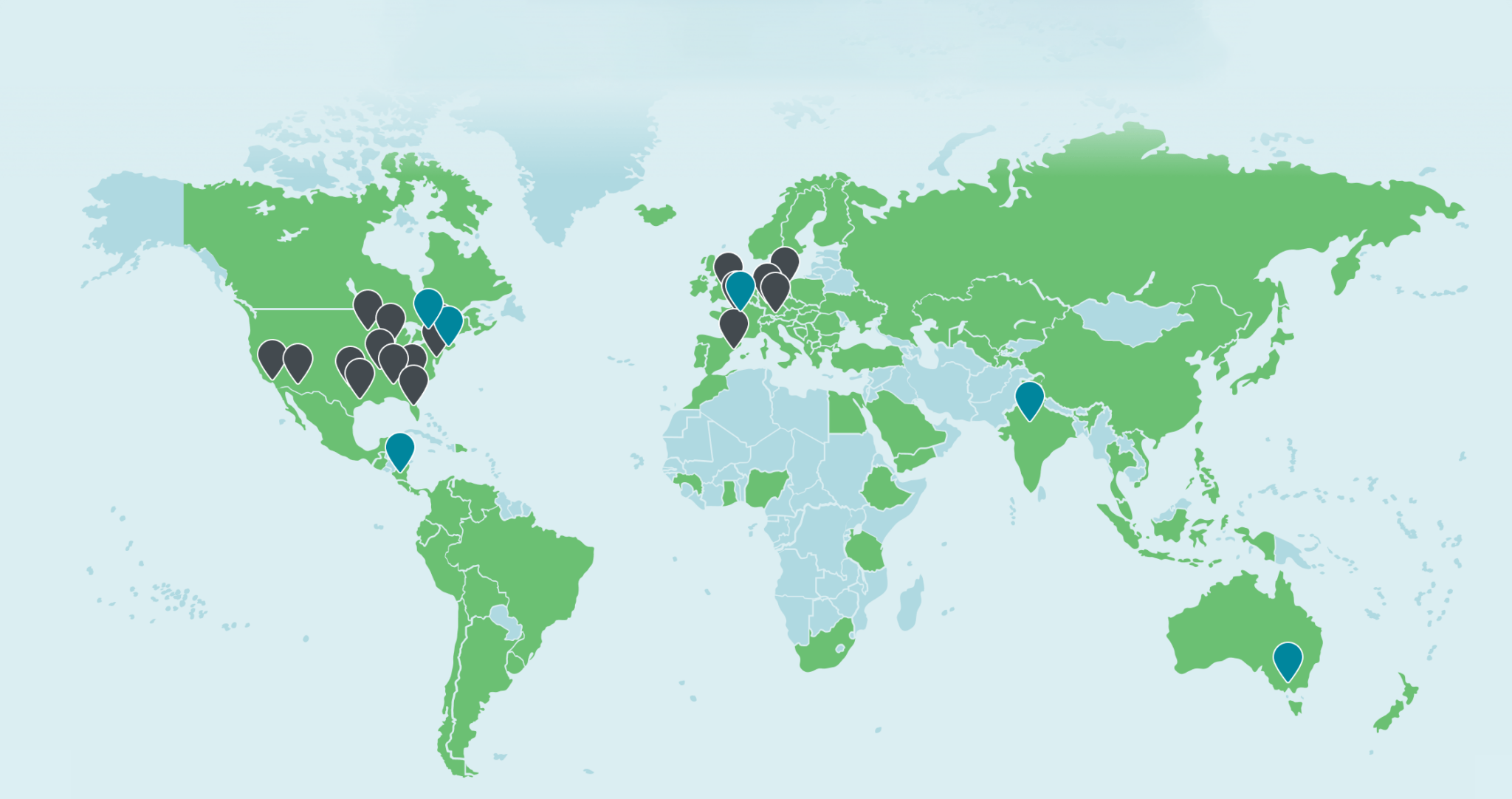
A Trusted Global Insights Partner
In the last year…
0
Clients served around the globe.
0
Insights and testing spaces filled.
0
Million
Respondents surveyed globally.